
PVDF
Ppolyvinylidene fluoride
WHAT IS PVDF
PVDF (polyvinylidene fluoride), often referred to by its trade name Kynar®, is a high purity engineering thermoplastic with excellent chemical resistance, abrasion resistance, flame resistance, and UV stability.
PVDF is a specialty plastic used in applications requiring the highest purity, as well as resistance to solvents, acids and hydrocarbons. PVDF has a lower density of 1.78 g/cm3 in comparison to other fluoropolymers, like polytetrafluoroethylene.
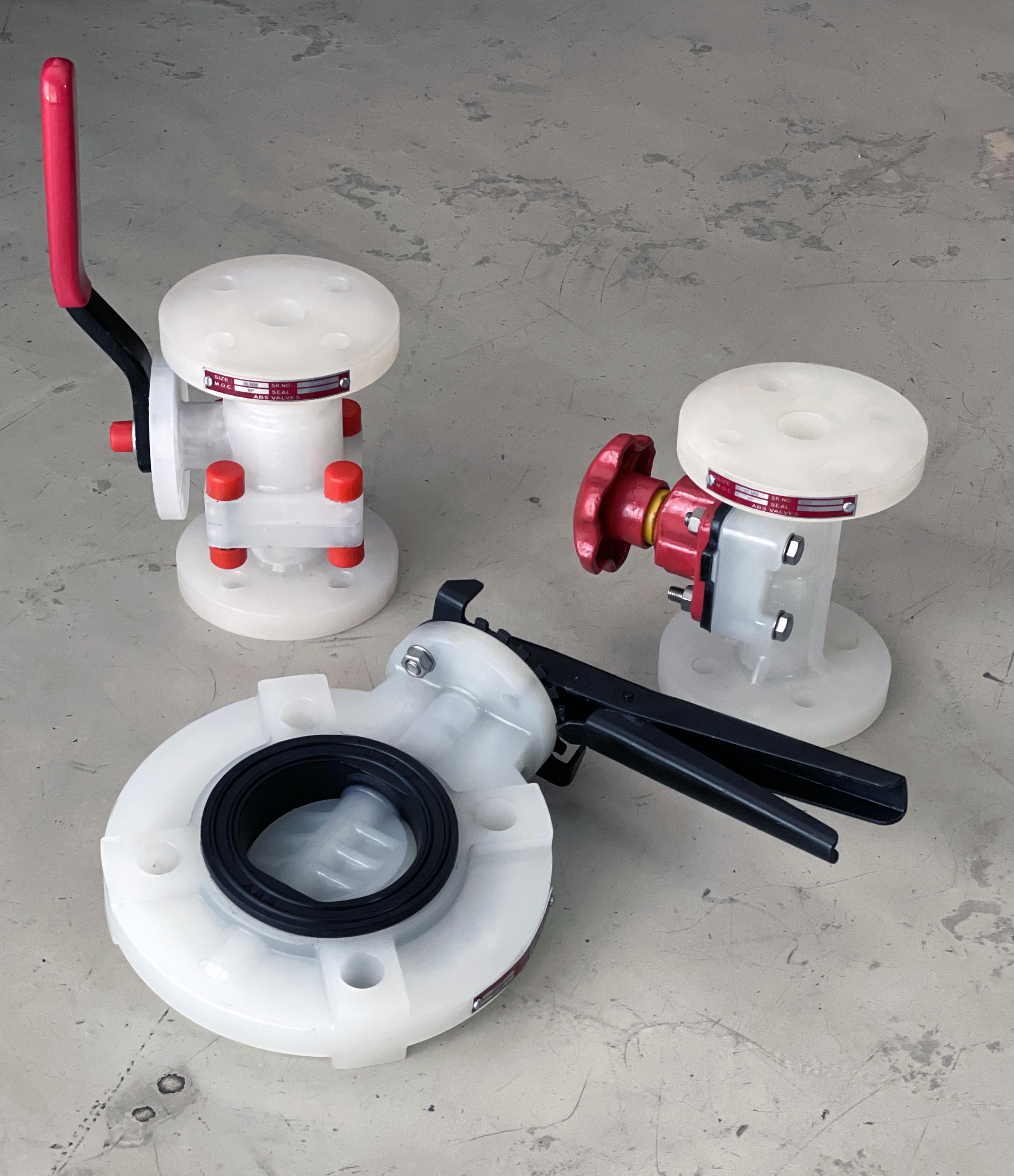
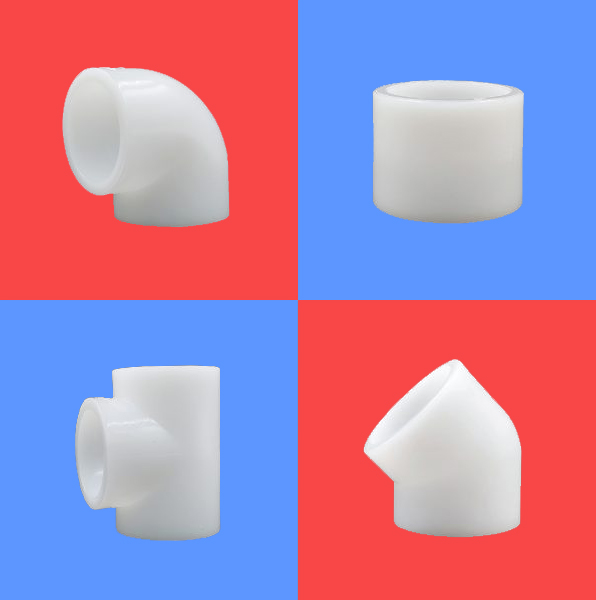
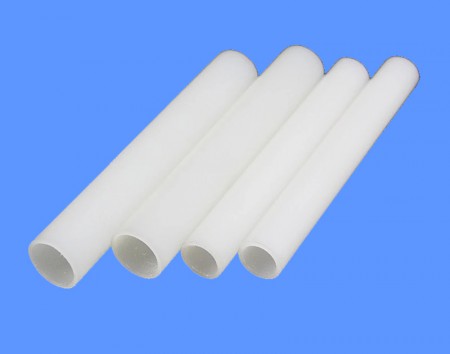
It is available in the form of piping products, sheet, tubing, films, plate and an insulator for premium wire. It can be injected, molded or welded and is commonly used in the chemical, semiconductor, medical and defense industries, as well as in lithium-ion batteries. It is also available as a cross-linked closed-cell foam, used increasingly in aviation and aerospace applications, and as an exotic 3D printer filament. It can also be used in repeated contact with food products, as it is FDA-compliant and non-toxic below its degradation temperature.
PVDF PROPERTIES
PVDF is a high weight fluoropolymer and durable thermoplastic with excellent thermal, mechanical, electrical, and chemical characteristics. These properties make PVDF extremely well suited for material engineering and plastic type applications. Kynar PVDF is largely inert, resilient and stable for long term service. As a thermoplastic material, PVDF loses its rigidity as heated, which allows for product recycling and reformation. As a synthetic plastic, Kynar provides resistant service in high temperature environments, harsh / aggressive chemical handling, pressurized fluid systems and outdoor installations.
PVDF products are approved for use up to 284°F temperature maximums prior to material softening. This is much higher than PVC or CPVC with service temperatures that max out at 140°F and 200°F, respectively. Resins of PVDF can be acceptable for even greater temperatures depending on the detailed grade specifics.
Products made from PVDF are inherently resistant to many troublesome effects common to other materials. PVDF is resistant to surface abrasion, to the growth of fungi, algae and microbial films, to the development of fire and smoke, to damage from ozone exposure and use, and is naturally unaffected by the degradation effects of sunlight UV that most other plastics are susceptible. PVDF is a strong insulator and resists hot/cold thermal transfer and electrical conductance. Molecularly, PVDF also expresses unique piezoelectric properties, meaning it is capable of responding to and influencing electrical and/or magnetic fields.
Chemically, PVDF ranks high among synthetic and metallic materials for its general compatibility as well as its resistance to chemical permeation and attack. PVDF is considered chemically stable with excellent resistance against: strong acids, strong oxidants, solvents, halogens, alcohols, salts and weak bases. PVDF is reported as being potentially susceptible and may experience softening and/or swelling on exposure to strong bases, esters and ketone defined chemicals.
KEY FEATURES
Pressure Rating: 10 bar at 23 ◦C.
Working Temperature: -40◦C to +100◦C
Applications: Excellent chemical resistance and non toxic so can be used for high purity applications.
Construction: PVDF
Advantages: Easy and fast to install.

CONTACT US
Are you looking for more information about our products and Services, require technical support or would like our brochure of products? Send an e-mail to sales@resistochem.co.za for prompt assistance.